About the CCAC
The Canadian Council on Animal Care (CCAC), acting in the interest of Canadians and on behalf of the Government of Canada, advances practices for the ethical care and use of animals in research, teaching, and testing through collaboration, rigorous standards, and transparency. For nearly sixty years, the CCAC has brought together scientists, animal health experts, and community members to ensure animals are used only when necessary and according to high ethical standards.
Ethical Animal Care
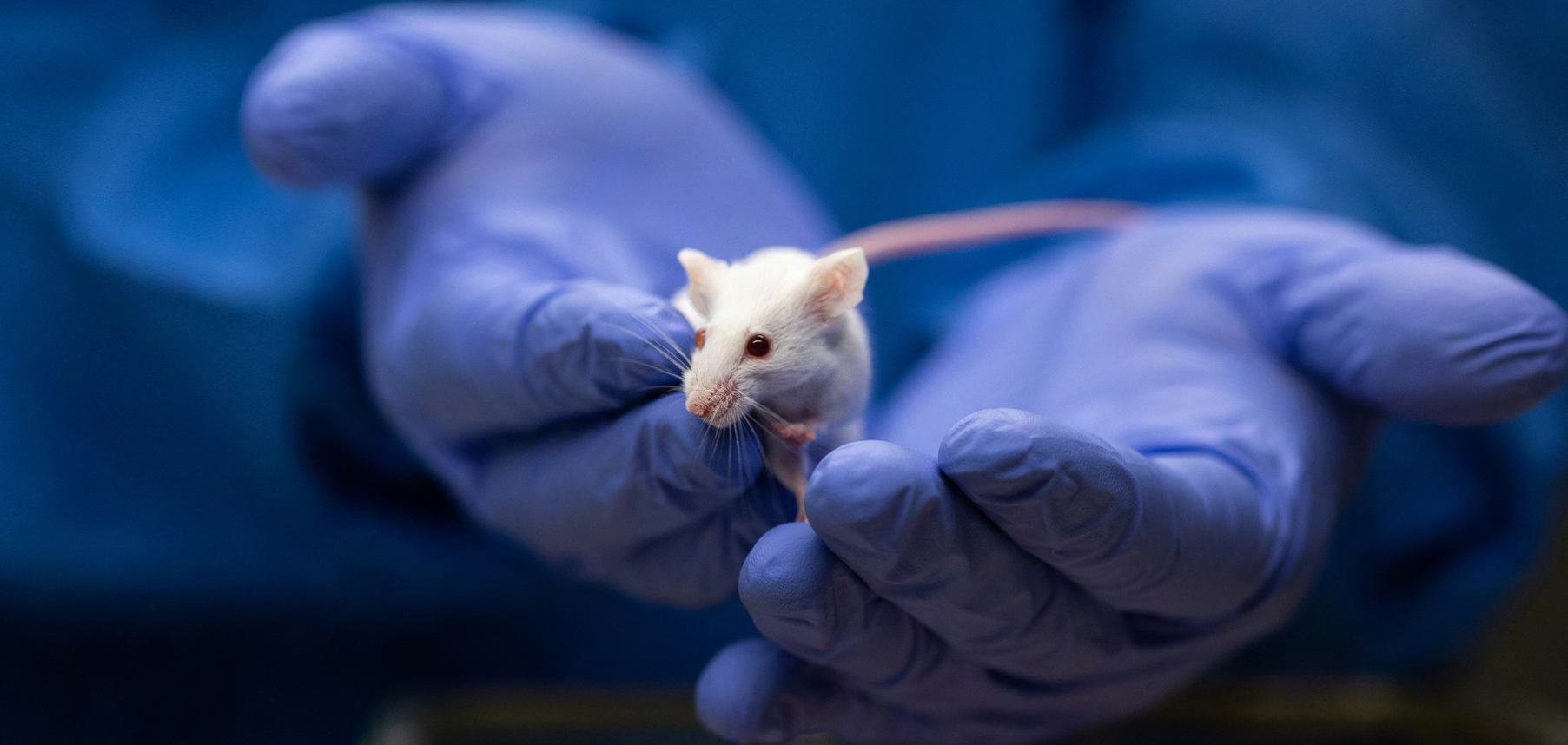
All animals used in research, teaching, and testing across Canada deserve the highest standards of care. The CCAC is leading a fundamental shift in how we view the lives of individual animals and our understanding of good animal welfare. CCAC standards consider the cumulative lifetime experiences of each animal, how those experiences affect their well-being, and ensure their welfare is monitored throughout their lives. Good welfare goes far beyond health; it encompasses every aspect of an animal’s experience. By working together with scientists, animal health experts, and community members, the CCAC promotes practices that support both excellent animal care and high-quality, reliable scientific outcomes.
Setting the Standard for Ethical Animal Care in Canada
In the absence of a national regulatory framework, the CCAC’s independent system ensures consistent national standards and public accountability across Canada. Guided by integrity and collaboration, the CCAC works closely with its certified institutions to advance animal welfare and maintain public trust in the responsible use of animals in science. Canada’s scientific community is vibrant and deeply committed to prioritizing animal welfare in research, teaching, and testing. The CCAC will continue to work collaboratively with its stakeholders to deliver its mandate and fulfill this shared mission.
Increasing Transparency and Advancing Animal Welfare
The CCAC is committed to greater transparency and encourages certified institutions to do the same. We support open communication about animal-based science and encourage program participants to engage both the public and their peers. By sharing information and experiences, institutions can foster a more collaborative and adaptable environment, increase public trust, promote learning and innovation, and ultimately strengthen animal welfare across the scientific community.
Quick Access

Forms and Resources
Documents to assist CCAC-certified institutions with the administration of their animal care and use programs.

Guidelines
CCAC general and animal-type guidelines define the basic requirements for institutional animal care and use program.

Policies
Essential documents required for the operation of institutional animal care and use programs.

Training Materials
Tools and training resources to support the implementation of high standards for ethical animal care and use in science